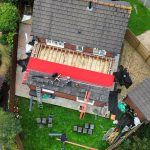
Common Roofing Problems in South Wales
From coastal storm damage to leaking slate roofs in the valleys, discover how local weather and property types affect roofs across Bridgend, Cardiff, Swansea and surrounding areas.
Why South Wales Roofs Face Particular Challenges
A property’s location, age, design and exposure all influence how quickly its roof deteriorates. Coastal winds, prolonged rainfall, exposed hillsides and older housing place different demands on roof coverings and junctions.
Homes in Porthcawl may face different conditions from terraced properties in Maesteg or city homes in Cardiff. Recognising warning signs early can prevent avoidable internal damage.
Six Roofing Problems to Watch For
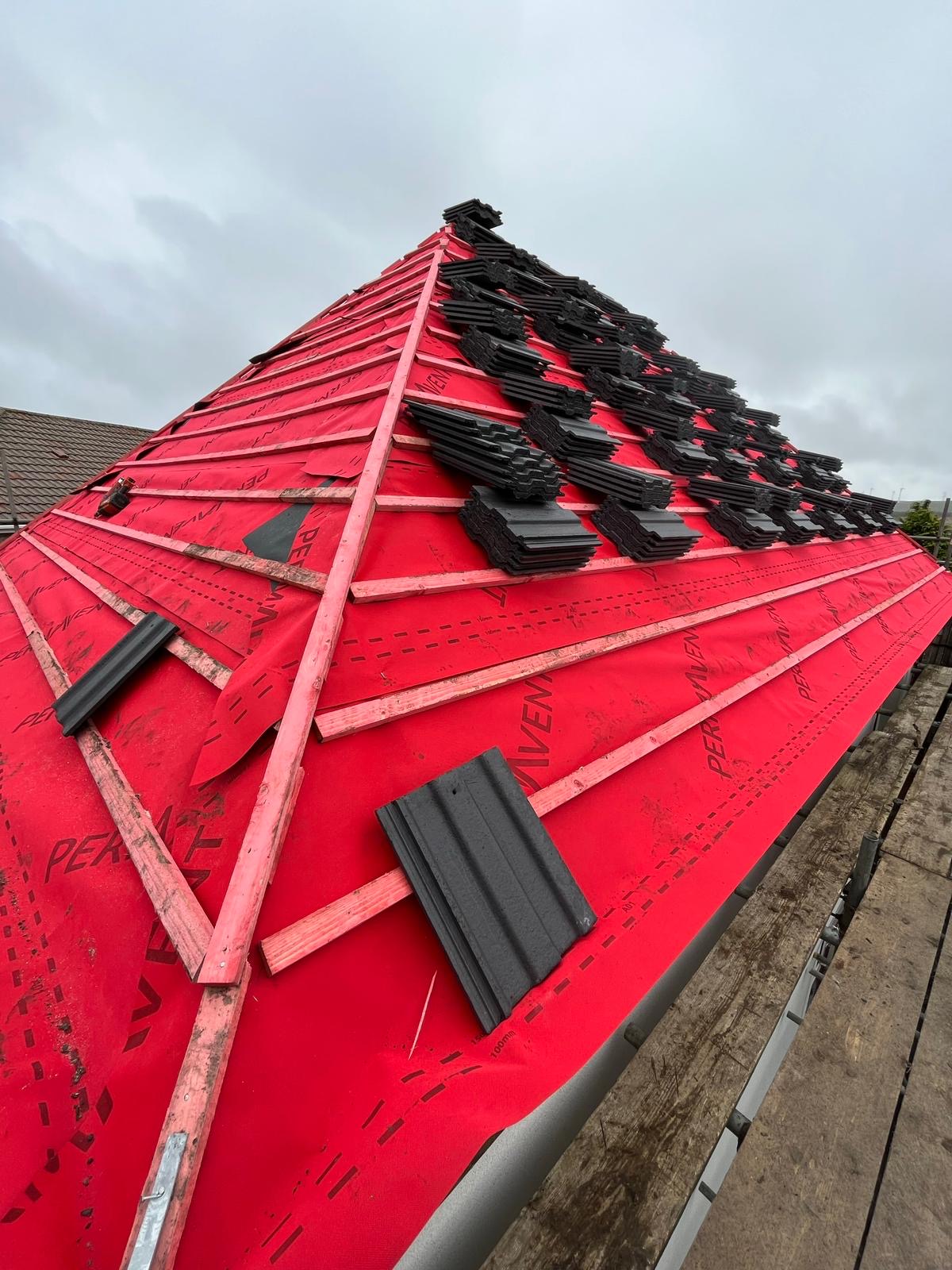
Slipped or Missing Tiles
Strong winds, ageing fixings and wear can loosen tiles or slates. Once a covering moves, rainwater may reach the underlay and roof structure.

Chimney and Flashing Leaks
Cracked, lifted or deteriorated flashing around chimneys and adjoining walls can allow wind-driven rain into vulnerable junctions.
Loose Ridge Tiles
Mortar and mechanical fixings along the highest point of a pitched roof can deteriorate, leaving ridge tiles unstable or vulnerable to water penetration.

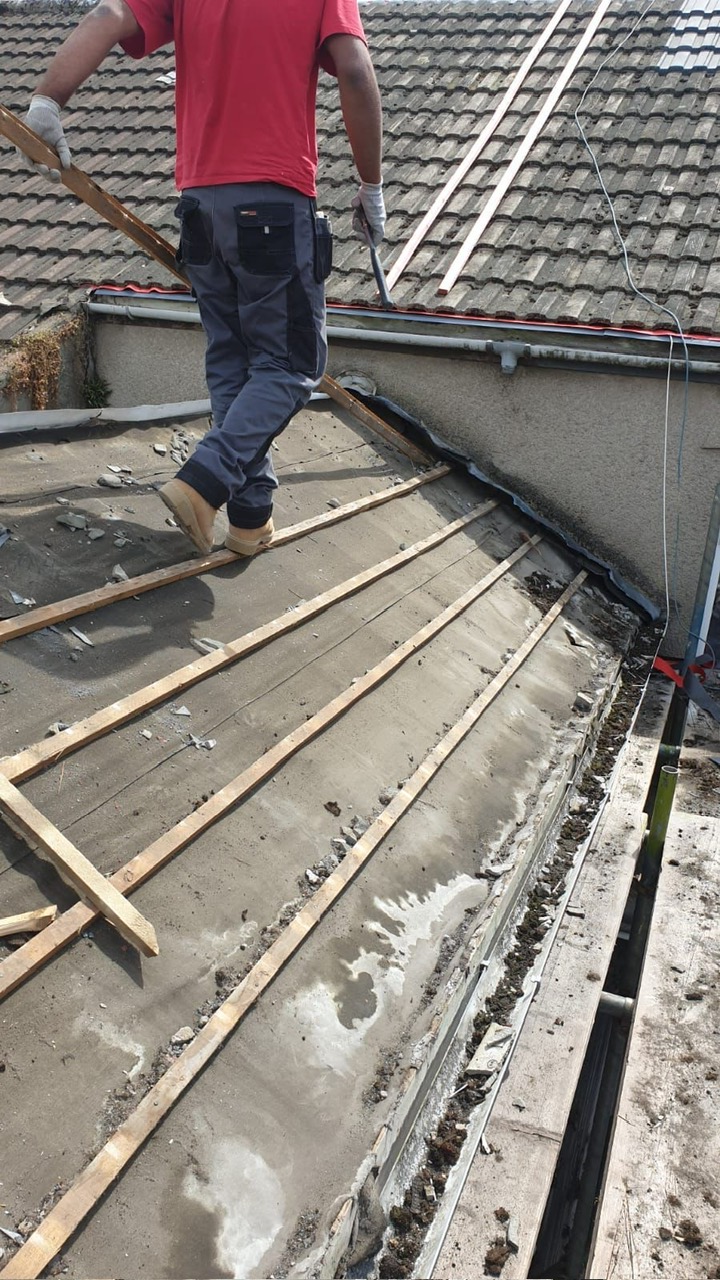
Flat Roof Deterioration
Flat roofs can leak when coverings age, seams fail, drainage becomes restricted or the underlying deck begins to deteriorate.

Blocked Gutters and Drainage
Leaves, moss and debris can stop rainfall draining correctly. Overflowing water may contribute to damp walls, damaged fascias and deterioration near roof edges.
Storm Damage
Severe weather can dislodge coverings, damage flashing and expose weaknesses that were not previously obvious, particularly in coastal and hillside areas.
Early Warning Signs Your Roof Needs Attention
- Damp patches on ceilings or chimney breasts
- Water stains appearing after heavy rainfall
- Missing, slipped or cracked tiles
- Roofing material or mortar on the ground
- Overflowing gutters or damp roof edges
- Daylight visible from inside the loft
- Repeated leaks affecting the same area
Avoid climbing onto the roof yourself. Observe from a safe position and contact an experienced contractor if you suspect damage.
How Problems Vary Across South Wales
Porthcawl, Barry and Penarth
Strong winds, driving rain and salt exposure can strain fixings, flashing, ridge details and roofline components.
Maesteg, Pontypridd and Aberdare
Older terraces frequently feature slate roofs, chimneys and valleys that can be affected by persistent rain and exposed hillside weather.
Bridgend, Pencoed and Cowbridge
Roofing needs range from ageing slate and ridge mortar to isolated leaks on newer tiled homes.
Cardiff and Newport
Terraces, shared rooflines, rear extensions, dormers and parapets introduce additional junctions where leaks may develop.
Swansea, Neath and Port Talbot
Coastal exposure, wind-driven rain and varied property ages can contribute to storm damage, flashing problems and recurring leaks.
Tonypandy, Tonyrefail and Llantrisant
Traditional slate, chimneys, valleys and rear extensions may require careful maintenance on older hillside properties.
How Roofing Risks Change Through the Year
Check Winter Damage
Look for displaced tiles, damaged ridges, blocked gutters and leaks following winter storms.
Plan Repairs
Drier weather can be a useful time to address defects and plan replacement work.
Prepare for Rain
Check drainage, gutters, valleys and visible roof coverings before wetter weather.
Respond Promptly
Act quickly if storms dislodge materials or a new leak appears. Keep away from unsafe areas.
Safety First
Wet roofs, ladders and loose materials present serious hazards. Do not climb onto a damaged roof. If water is entering your home, safely move belongings away and call 07961 773750.
South Wales Roofing Questions
What is the most common cause of a roof leak?
Common causes include slipped tiles, damaged flashing, worn chimney details, blocked valleys and ageing flat-roof coverings. Inspection is needed to identify the exact source.
Are coastal homes more likely to suffer roof damage?
Coastal properties can experience stronger winds, driving rain and salt exposure, making exposed coverings, ridge details and flashing especially important.
Does one slipped tile mean I need a new roof?
No. An isolated defect can often be repaired. Replacement is more likely when deterioration is widespread or leaks continue despite previous repairs.
Can a leaking flat roof be repaired?
Localised defects can sometimes be repaired if the remaining covering and deck are sound. Extensive deterioration may make replacement more appropriate.
Which areas does Glamorgan Roofing cover?
Coverage includes Bridgend, Cardiff, Swansea, Newport, Porthcawl, Barry, Maesteg, Pontypridd, Neath, Port Talbot and surrounding communities.
Find the Right Roofing Support
Worried About a Problem With Your Roof?
Contact Glamorgan Roofing for straightforward advice and a free, no-obligation quotation for repairs, flat roofing or complete roof replacement.